




Toyota is best known for its cars, but its commercial vehicle history goes back almost as far as the company itself. The first vehicle it produced was a small truck, launched in 1935.
In the UK today, Toyota groups its vans, pick-ups and commercial vehicle services under the Toyota Professional name. It covers the models themselves, along with sales, servicing, finance, fleet support and roadside assistance for business users.
Toyota remains smaller in the UK van market than long-established names such as Ford and Volkswagen, but it has become a much more serious commercial vehicle player over the last decade. In 2025, it sold just over 20,000 light commercial vehicles in the UK, making it the sixth most popular brand in the market.
One important point is that Toyota does not build most of its core van range alone. The Proace family is produced through joint programmes with Stellantis, which means Toyota’s vans are closely related to models sold by Citroën, Fiat, Peugeot and Vauxhall.
That is not unusual in the van market. Shared engineering is common, especially among light commercial vehicles. What Toyota adds is its own badge, dealer network, warranty support and Toyota Professional service package.
So who or what is Toyota vans?
Toyota Professional is the umbrella name for Toyota’s commercial vehicle operation in the UK.
It brings together:
- Toyota’s van and pick-up range
- Business finance options
- Fleet support
- Servicing and repairs
- Roadside assistance
- Courtesy vans
- Commercial vehicle dealer support
The aim is to give van operators one place to go for buying, running and maintaining Toyota commercial vehicles.
More than 100 Toyota outlets in the UK also act as Toyota Professional van dealers and service and repair centres, and the Toyota Professional website includes a dealer locator.
How Toyota’s van history developed
Toyota’s commercial vehicle story began with the G1 truck in 1935. It was the only vehicle to carry the Toyoda name before the company adopted Toyota for future models.
Trucks played an important role in Toyota’s early growth, and pick-ups soon became part of the range. The SB arrived in 1947, followed by the RK in 1954, which was later renamed Stout. Then came the Hilux in 1968.
The Hilux quickly gained a reputation for durability, which it has maintained ever since. It became particularly popular in America and later spawned the Tacoma, a separate pick-up aimed at buyers who used trucks as everyday family transport.
Toyota first sold vans in the UK in 1977, but for many years it remained a small player in Britain. That changed with the Proace, particularly the second-generation version launched in 2016.
The first Proace arrived in 2013 as part of a joint venture with the (then) PSA Group, which sold closely related models as the Citroën Dispatch and Peugeot Expert. Toyota Proace models have been produced through what is now Stellantis ever since.
The range expanded again in 2023 with the arrival of the Proace Max, giving Toyota a model for the heaviest part of the van market.
What van models does Toyota have and what else is coming?
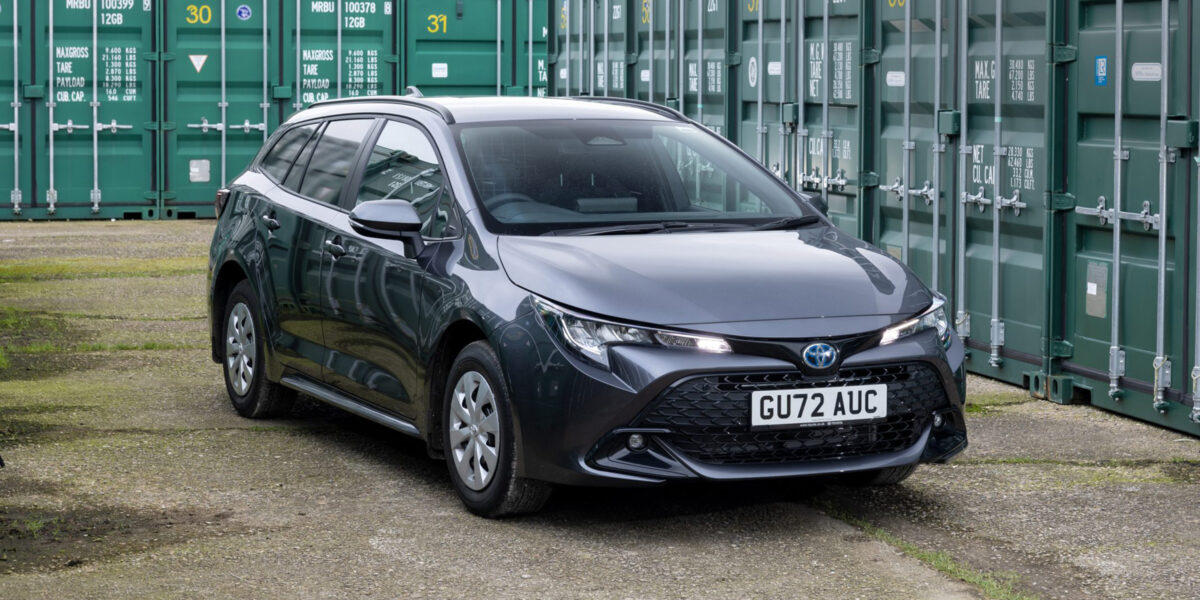
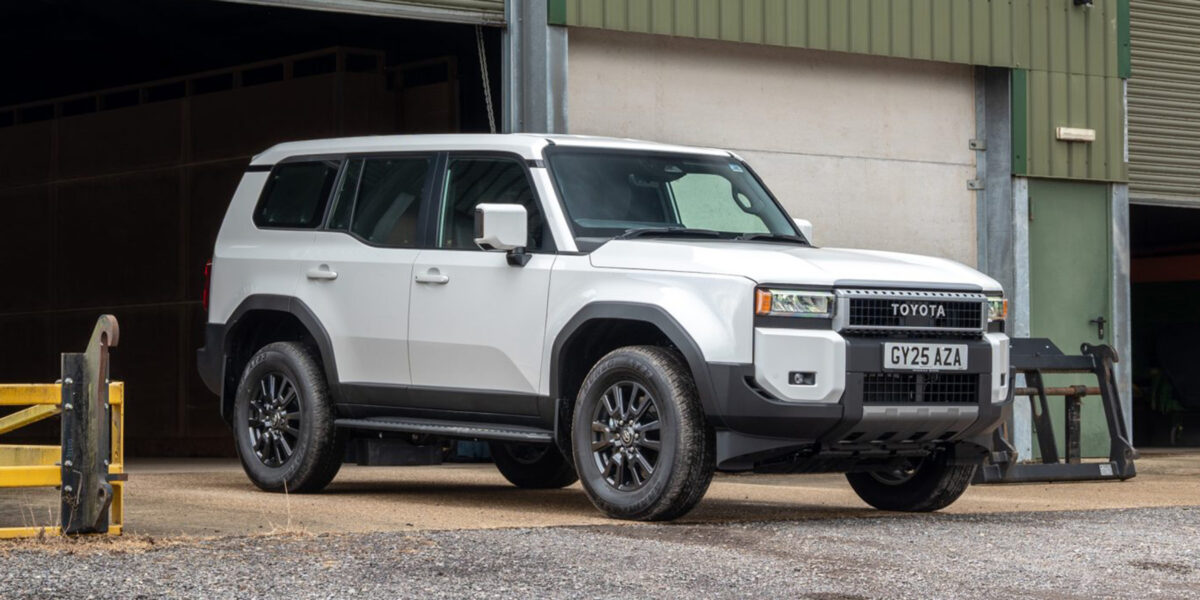
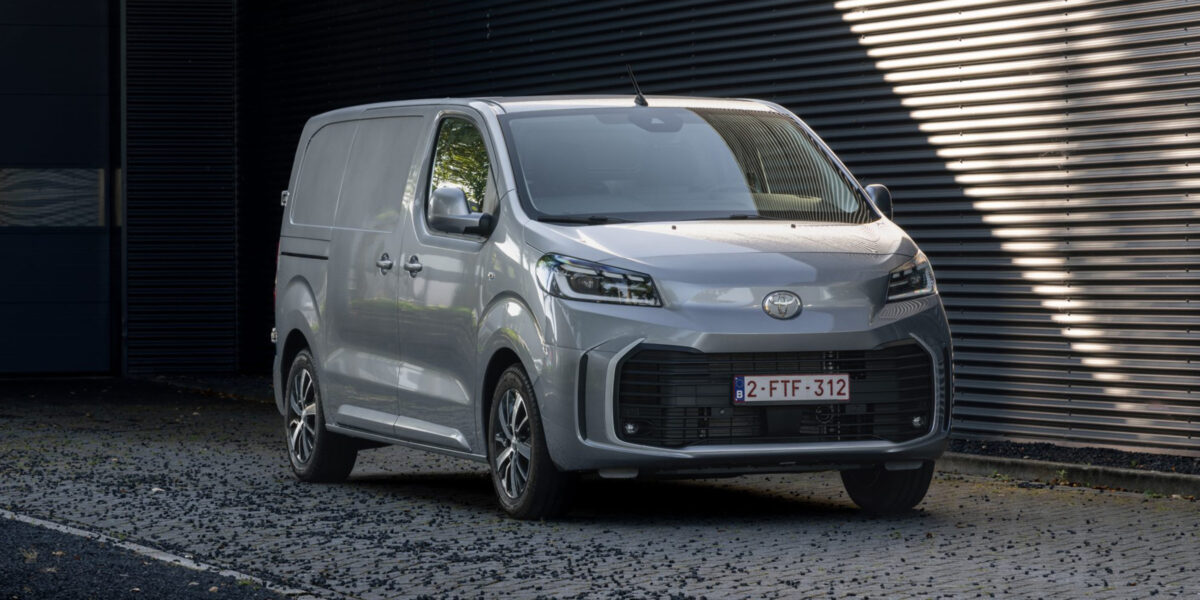
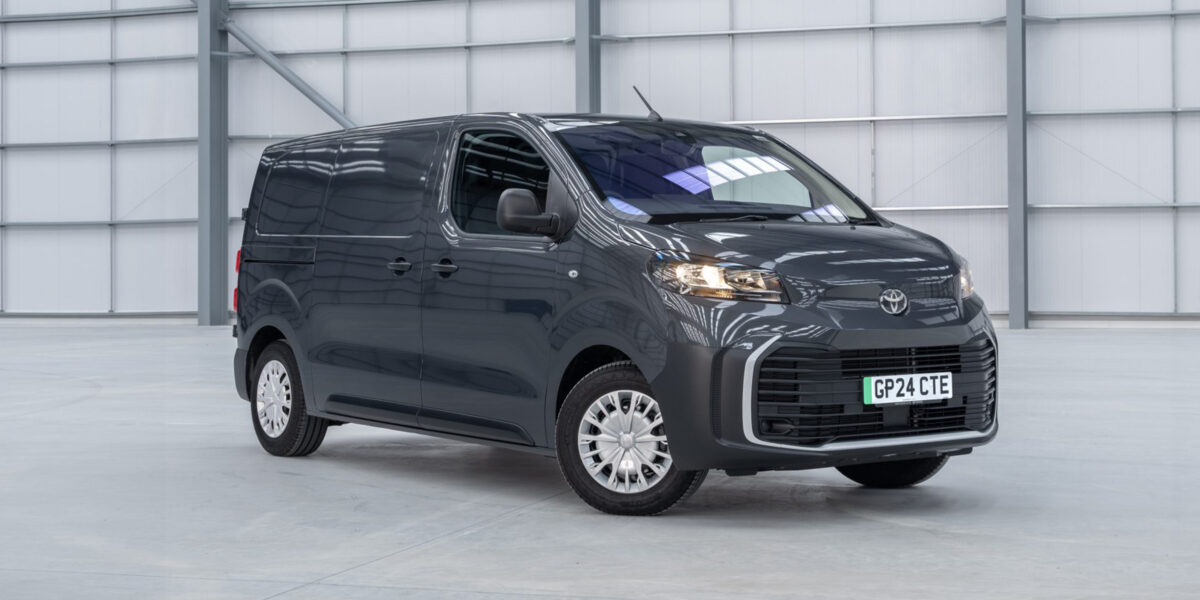
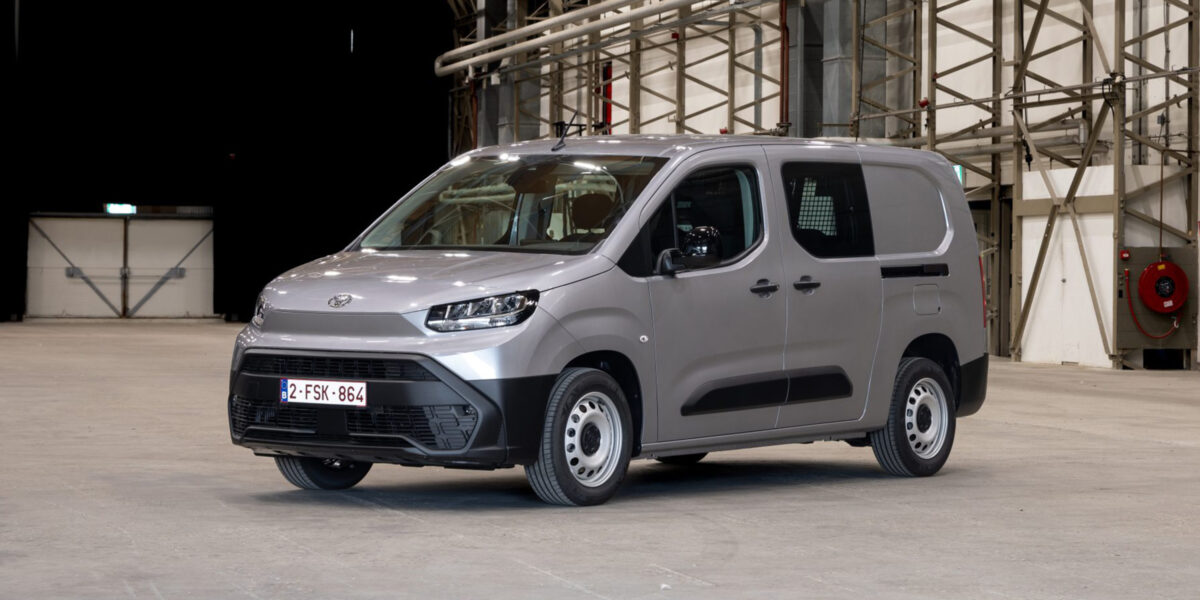
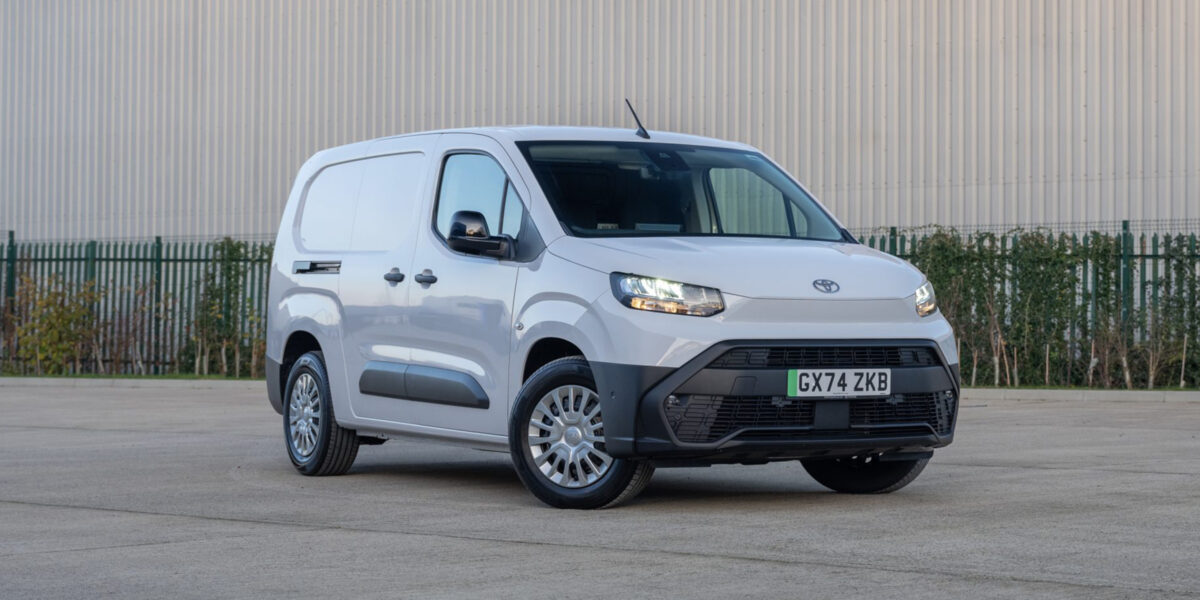
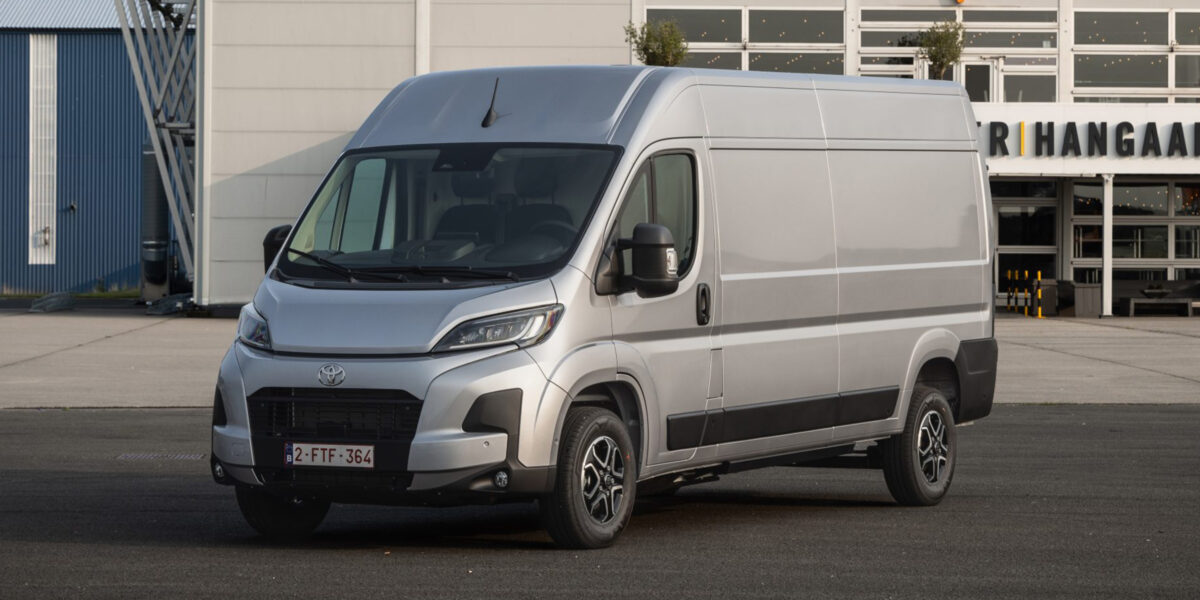
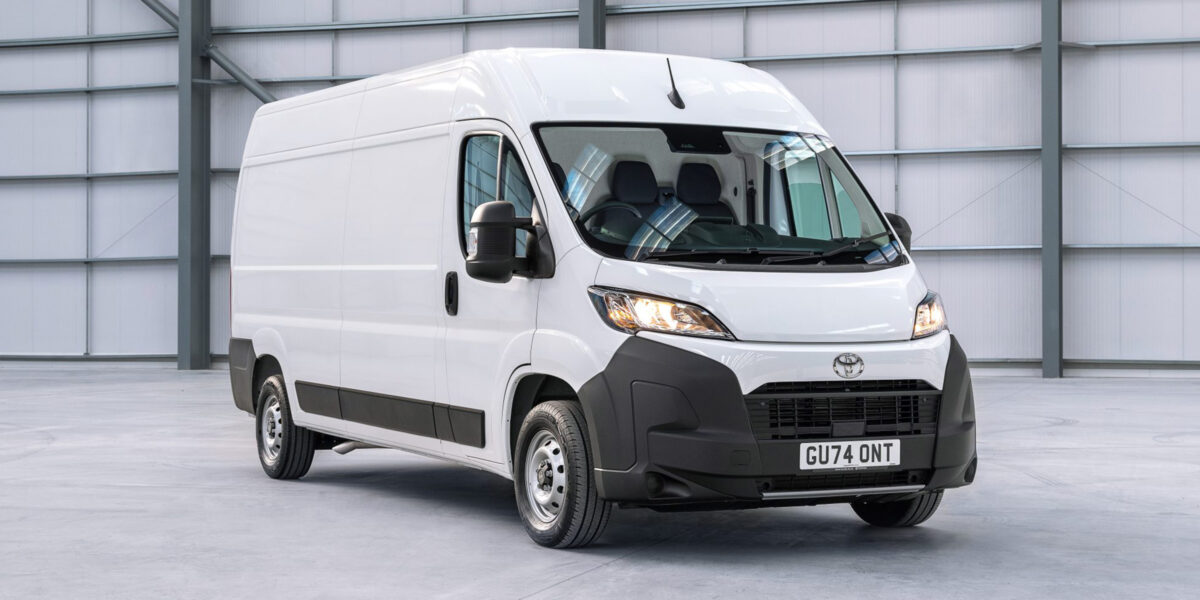
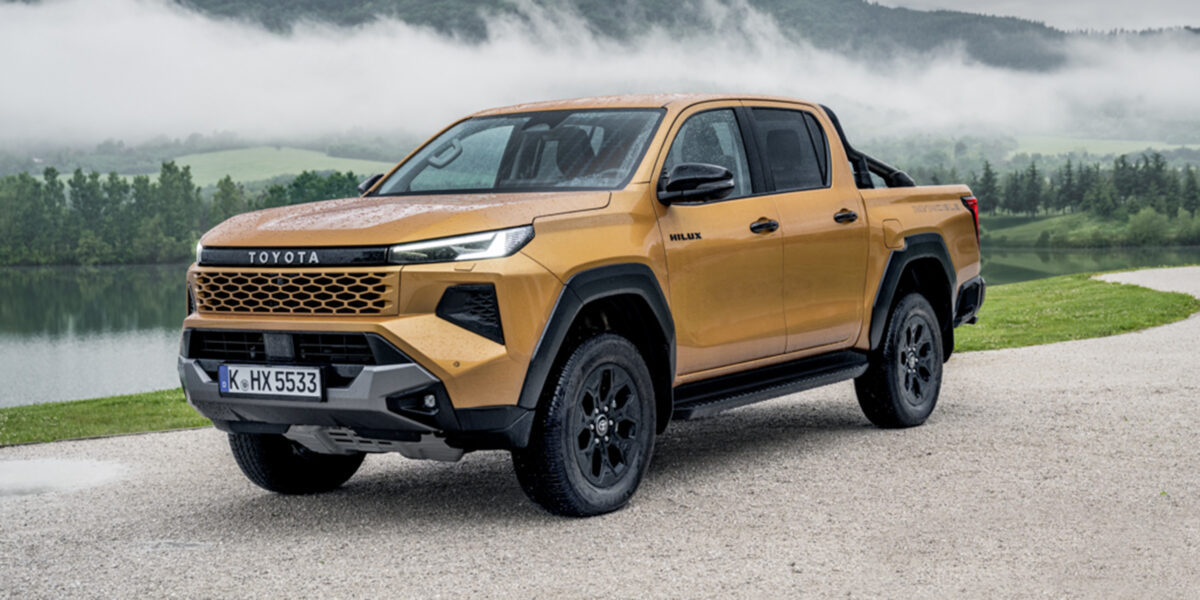
Toyota’s commercial vehicle line-up is built around the Proace name, with different versions covering small, medium and large vans. The range also includes the Hilux pick-up, Corolla Commercial and Land Cruiser Commercial.
The smallest van is the Toyota Proace City, which is closely related to the Citroën Berlingo, Fiat Doblò, Peugeot Partner and Vauxhall Combo. It has a maximum payload of 990kg and a load length of 1.8 metres.
The mid-size van is the Toyota Proace, which shares its roots with the Citroën Dispatch, Fiat Scudo, Peugeot Expert and Vauxhall Vivaro. It can carry up to 1,375kg and has a load length of 2.5 metres.
The largest van is the Toyota Proace Max, which arrived in 2023. It gives Toyota a van for larger loads, with payload capacity of up to 1,400kg and space for cargo up to 3.1 metres long. Like the smaller Proace models, it is closely related to Stellantis vans sold under several different badges.
All three Proace models are available with diesel engines as standard, but each is also offered as an electric version. Toyota quotes maximum official driving ranges of up to 208 miles for the Proace City Electric, 213 miles for the Proace Electric and 260 miles for the Proace Max Electric.
The longest-running commercial model name in the Toyota range is the Hilux. The pick-up is best known for its toughness, and its ninth generation arrived in 2025. An electric version is also on the way.
The Toyota Corolla Commercial is a more unusual part of the line-up. Launched in 2022, it is based on the estate version of the Corolla, but replaces the rear seats with a load bay and dark-tinted rear windows. Toyota says keeping the glass rather than replacing it with metal panels helps the vehicle look less like a van, which may make it less of a target for thieves.
What support does Toyota Professional offer?
Toyota Professional is not just about the vehicles themselves. It also covers services designed to help businesses keep vans on the road and reduce downtime.
All new Toyota vans qualify for up to five years of roadside assistance. Courtesy vans are available during repairs, and Toyota offers service plans covering servicing and MoTs.
There is also an express service for operators who need to minimise the time their vans spend off the road.
Toyota offers several funding routes for business users, including finance leasing and business contract hire. Like most commercial vehicle manufacturers, it also has a fleet department, with telematics and management software to help businesses monitor and manage their vehicles.
Toyota’s LCV warranty is three years as standard, but can be extended each year at no cost if you have the vehicle serviced by a Toyota dealership, up to a maximum of ten years or 100,000 miles.
A Toyota fact to impress your friends
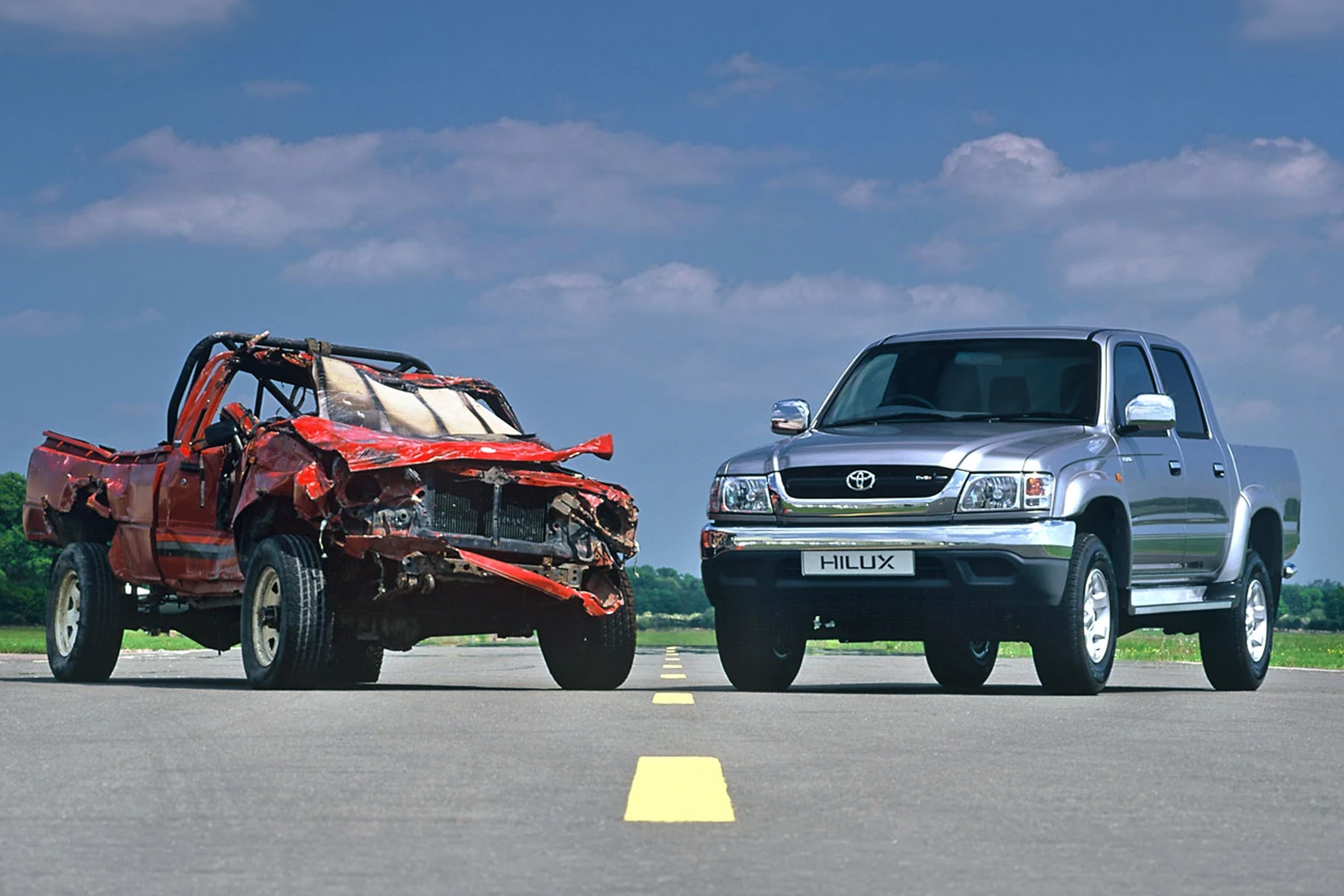
The Toyota Hilux is famously the pick-up that BBC Top Gear could not destroy.
In 2003, Jeremy Clarkson, James May and Richard Hammond tested the Hilux’s reputation for toughness using a 1988 example. It was driven into trees, sent down flights of stairs, left on a beach as the tide came in, dropped from a crane, hit by a wrecking ball and eventually placed on top of a 23-storey building that was demolished with explosives.
After every attempt, a mechanic using hand tools was able to get it running again.
Summary
Toyota may not build most of its core UK van range itself, but it has created a credible commercial vehicle offering through the Toyota Professional programme.
The Proace models share their engineering with familiar Stellantis vans, while Toyota adds its own dealer network, warranty support and business services. The Hilux remains the best-known commercial model in the range, and the Corolla Commercial gives Toyota something a little different from most van manufacturers.
Toyota is still smaller in the UK van market than Ford and Volkswagen, but it now covers most major commercial vehicle sectors. With diesel and electric versions of its Proace vans, plus growing support for fleets and business users, Toyota Professional is a stronger proposition than many buyers may realise.
Want to find out more about Toyota passenger cars? All our Expert Ratings, new car reviews, news and features are here.
Read more:


You must be logged in to post a comment.