




Vauxhall is one of the most familiar names in British motoring, and its van range remains a major part of the UK light-commercial market. The badge is well known, the dealer network is broad and the company has a commercial vehicle history that stretches back through Bedford to the early days of the van market.
Today’s Vauxhall vans are also closely related to other models sold across the Stellantis group. The current Combo, Vivaro and Movano share their basic design with vans from Citroën, Fiat and Peugeot, as well as Toyota models in the same sectors. That certainly doesn’t make them bad vans, but it does mean buyers should compare prices, equipment, offers, servicing support and delivery times across several badges before signing anything.
That platform-sharing story is also important if you’re looking at a used Vauxhall van. Current models sit within the Stellantis family, but previous generations of the Vivaro and Movano were developed with Renault, with related versions sold as Renault, Nissan and sometimes Opel models in other markets. For used buyers, that can affect parts, servicing knowledge and what sort of van you’re actually looking at underneath the badge.
So who or what is Vauxhall vans?
Vauxhall’s commercial vehicle history is longer than many people realise. For decades, the company’s vans and trucks were sold under the Bedford name, taken from Bedfordshire, where Vauxhall’s long-standing Luton factory was based.
Bedford became General Motors’ British commercial vehicle arm in the early 1930s, after GM had bought Vauxhall in 1925. It went on to become a major UK truck and van manufacturer, building everything from small vans to buses, ambulances and military vehicles. For many years, Bedford was one of the most recognisable names in British commercial transport.
By the 1980s, however, the Bedford name was fading and Vauxhall’s commercial vehicles were increasingly based on joint ventures rather than purely in-house designs. The Bedford Midi was based on the Isuzu Fargo, while later Vauxhall vans were developed with Renault. The Vivaro name, which remains in use today, first appeared on a Renault Trafic-based model built at Luton.
That background helps explain why used Vauxhall vans can vary quite a lot depending on their age. A current Vivaro is a Stellantis van, closely related to the Citroën Dispatch, Peugeot Expert, Fiat Scudo and Toyota Proace. An older Vivaro is a Renault-linked model, related to the Renault Trafic, Nissan Primastar and Fiat Talento. Both wear a Vauxhall badge, but they come from different engineering families.
Vauxhall is now part of Stellantis, the same global group that owns Citroën, Fiat, Peugeot and several other brands. That means the modern Vauxhall van range benefits from shared development and large-scale production, but it also means the differences between sister vans can be much less than buyers might expect.
What van models does Vauxhall have?
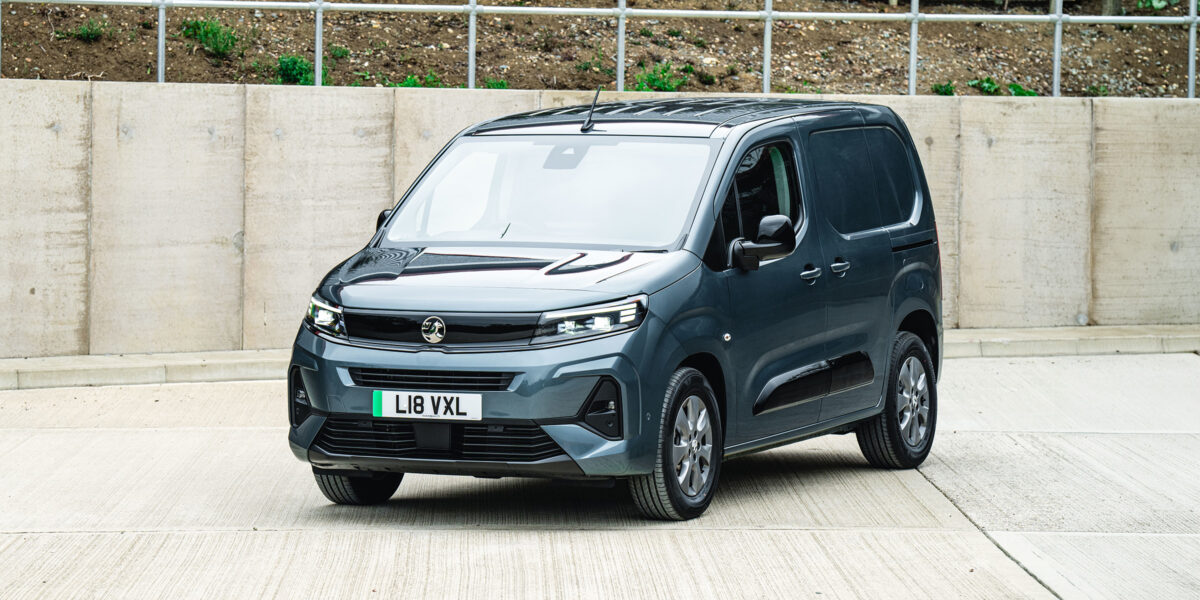
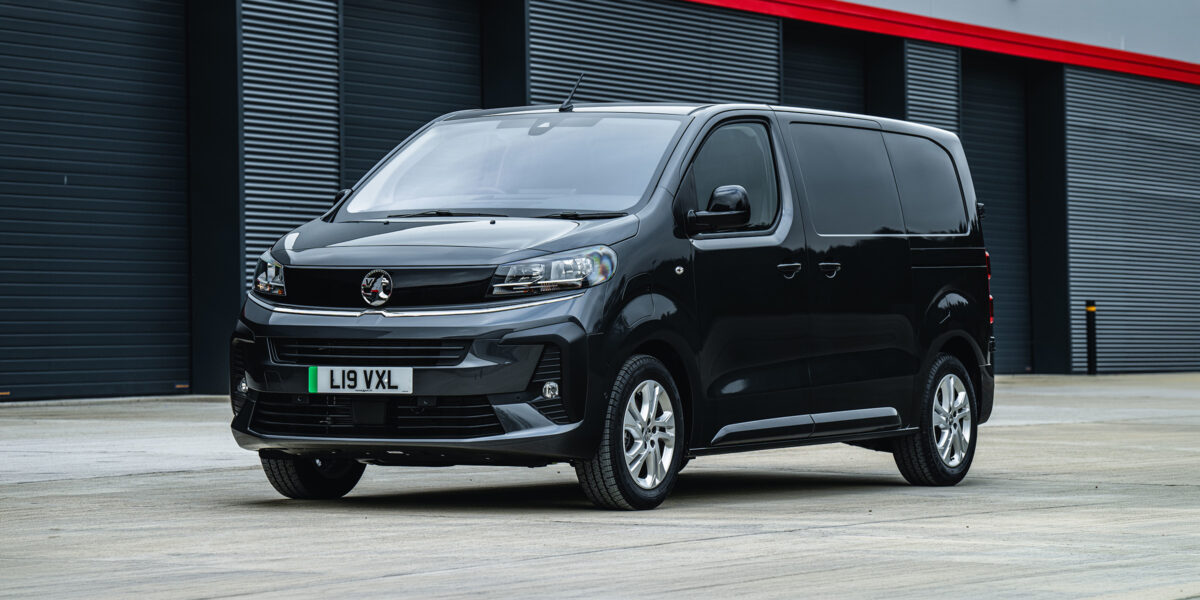
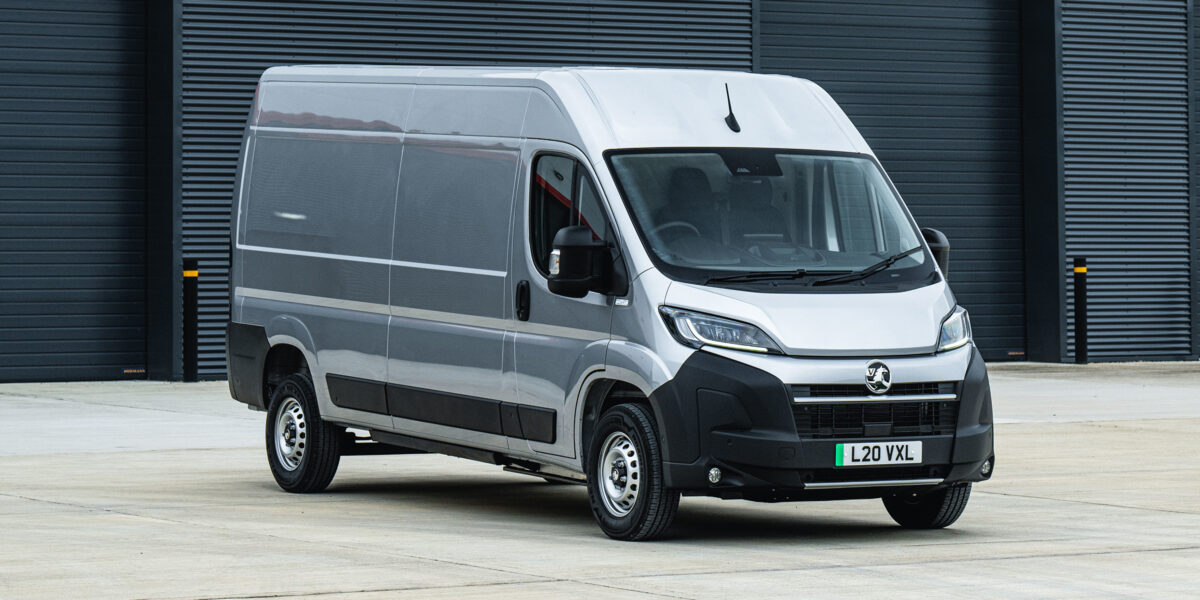
Vauxhall has a three-model van line-up covering the main light-commercial sectors. The Combo is the small van, the Vivaro is the mid-sized van and the Movano is the large van. All three are available with diesel engines or as electric vans.
The simple version is that Vauxhall’s current range mirrors the wider Stellantis van family. The Combo is closely related to the Citroën Berlingo, Fiat Doblo, Peugeot Partner and Toyota Proace City. The Vivaro is related to the Citroën Dispatch, Fiat Scudo, Peugeot Expert and Toyota Proace. The Movano is related to the Citroën Relay, Fiat Ducato, Peugeot Boxer and Toyota Proace Max.
This is useful for operators because it gives plenty of choice. If one brand has a better deal, a better local dealer or a shorter delivery time, it may be worth comparing a near-identical sister van. But it also means Vauxhall has to compete on more than the badge alone. Price, specification, service support, warranty terms and availability all matter.
Vauxhall Combo
The Vauxhall Combo is the smallest van in the range, aimed at tradespeople, delivery drivers and small businesses that need a compact van with a useful load bay rather than a large vehicle that is harder to park and less suited to town work.
The current Combo is available as a diesel or as the electric Combo Electric. Vauxhall quotes a maximum load volume of up to 4.4m3 and a maximum payload of up to 1,000kg, depending on version. That makes it a direct rival not only to its Stellantis and Toyota sister vans, but also to the Ford Transit Connect, Renault Kangoo, Volkswagen Caddy and Mercedes-Benz Citan.
The Combo Electric is particularly important for Vauxhall because it is built at Ellesmere Port, which has become Stellantis’ UK electric van manufacturing site. For businesses looking at electric small vans, that gives Vauxhall a useful UK production story, although buyers should still compare range, payload, charging, price and servicing support against the sister models.
Vauxhall Vivaro
The Vauxhall Vivaro is the mid-sized van in the range and has long been one of Vauxhall’s most important light-commercial vehicles. It sits in the heart of the UK van market, where it competes with the Ford Transit Custom, Volkswagen Transporter, Renault Trafic, Mercedes-Benz Vito and the various Stellantis sister models.
The current Vivaro is available as a diesel or as the Vivaro Electric. It can be ordered in different body styles and load lengths, depending on version, and is designed to serve everyone from sole traders to fleet operators.
For used buyers, the Vivaro name needs a bit of care. Older Vivaros were based on the Renault Trafic and were built at Luton, while the current generation is a Stellantis-based model that shares its fundamentals with the Citroën Dispatch, Peugeot Expert, Fiat Scudo and Toyota Proace.
That difference is important when comparing used examples, because the two generations are quite different underneath. If you’re looking at a used Vivaro, it is worth checking which generation you’re considering rather than assuming every Vivaro has the same background.
Vauxhall built the Stellantis-based Vivaro at Luton until March 2025, when the final van rolled off the line and vehicle production at the historic plant ended. That was a significant moment for Vauxhall, because Luton had been central to the brand’s identity for well over a century.
Vauxhall Movano
The Movano is Vauxhall’s largest van, aimed at operators who need maximum load space, heavier payload capacity or specialist conversions. It is available as a panel van and in other body styles, depending on version, and competes with large vans such as the Ford Transit, Mercedes-Benz Sprinter, Volkswagen Crafter, Renault Master and Stellantis/Toyota sister models.
The current Movano is based on the same large van platform as the Fiat Ducato, Citroën Relay, Peugeot Boxer and Toyota Proace Max. Earlier generations of Movano were linked to the Renault Master, so the same used-market caution applies here as it does with the Vivaro: the badge stayed the same, but the engineering family changed.
For new buyers, the Movano’s appeal is likely to come down to price, body choice, payload, dealer support and availability compared with its sister models. Large van buyers often have very specific requirements, so it is important to check the exact version rather than relying on headline claims.
The Movano is also available as an electric van. That gives Vauxhall an electric option in the large van sector, although buyers need to consider payload, driving range, charging access and route patterns carefully. Large electric vans can work well for predictable routes and depot charging, but they are not yet a simple like-for-like replacement for every diesel van operation.
Does Vauxhall sell electric vans?
Yes. Vauxhall offers electric versions of all three of its main van lines: Combo Electric, Vivaro Electric and Movano Electric. That gives it one of the more complete electric van ranges in the UK market, covering small, medium and large van sectors.
For the right business, an electric van can make a lot of sense. If your routes are predictable, daily mileage is within the van’s real-world range and you can charge at home, at work or at a depot, running costs can be lower and the driving experience can be quieter and smoother than a diesel van.
The important phrase is “for the right business”. Electric vans still need careful planning, especially if you carry heavy loads, tow, cover long distances or rely on public charging during the working day. Payload, range, charging speed, downtime and electricity costs all need to be checked against the way the van will actually be used.
Vauxhall has also been involved in hydrogen fuel-cell van trials, but this should not be confused with a realistic mainstream option for most small businesses. Hydrogen vans may eventually have a role for certain fleets with centralised fuelling and specific duty cycles, but for ordinary van buyers they remain a long way from being a normal showroom choice, if they ever become one.
Where can I try a Vauxhall van?
Vauxhall has a large UK dealer network, and van buyers can search for local retailers through the Vauxhall website. For business users, the more relevant part of the network is Vauxhall’s Professional Centres, which are set up to support van and fleet customers.
These centres provide specialist LCV sales and servicing support, with Vauxhall-trained technicians, commercial vehicle equipment and services aimed at keeping business vehicles on the road. Depending on the site, this can include demonstrator vans, Class 7 MOT facilities, 5-tonne lift capability, express servicing, overnight servicing and business-focused aftersales support.
As always, it is worth checking what your local dealer or Professional Centre can actually offer. A strong local service department may be more valuable over the life of a van than a slightly cheaper purchase price from somewhere less convenient.
What services does Vauxhall offer the van operator?
Vauxhall offers connected services and fleet tools designed to help operators manage servicing, vehicle health and day-to-day use. These are most relevant for businesses running more than one van, although some connected features can also be useful for sole traders.
The Preventative Maintenance programme is intended to help fleet managers track vehicle health, receive reports and manage servicing. Connect Fleet goes further by adding data such as fuel consumption, driving behaviour, mechanical alerts and vehicle location.
For electric van operators, connected tools can also help with charge status, route planning and vehicle management. These features are not a substitute for proper fleet planning, but they can make it easier to understand how vehicles are being used and when they need attention.
For small businesses, the value of these systems will depend on how many vehicles you run and how much data you actually need. A sole trader with one van may care more about local servicing and quick repairs, while a fleet manager may place more value on maintenance alerts, vehicle tracking and usage data.
Why choose a Vauxhall van?
The strongest reasons to choose a Vauxhall van are likely to be familiarity, dealer support, fleet tools, price and availability. Vauxhall is a long-established UK brand, and many operators will already have experience with its vans or cars.
The brand also has a broad model range, with small, medium and large vans available in diesel or electric form. That makes it easier for businesses to stay within one badge if they need several types of vehicle.
The main thing to remember is that Vauxhall’s current vans are closely related to sister models from other Stellantis brands and Toyota. In some cases, those vans will be almost identical in practical terms, so the best choice may come down to the deal, the dealer and the support package rather than the badge on the bonnet.
That is not a criticism of Vauxhall. Platform sharing is now normal across the van market, and it can bring real benefits in terms of parts supply, development cost and model coverage. But it does mean buyers should compare Vauxhall carefully against Citroën, Fiat, Peugeot and Toyota equivalents before making a decision.
What should you compare?
When comparing a Vauxhall van with its sister models or other rivals, start with the basics: payload, load volume, body length, roof height, towing capacity, warranty, servicing intervals and availability. A small difference in payload or body style can matter more to a business than a small difference in monthly payment.
For electric vans, look closely at real-world range, charging speed, payload and charging access. A van that looks suitable on paper may not work if it cannot complete a typical working day without an awkward charging stop, especially if it carries heavy loads or spends long periods at motorway speeds.
You should also compare dealer support. The best van is not always the cheapest one to buy or lease. If your van is essential to your business, fast servicing, parts availability, convenient opening hours and a dealer that understands commercial customers can be just as important as the headline price.
For used Vauxhall vans, check which generation you are buying. A Renault-based Vivaro or Movano will not be the same underneath as a Stellantis-based model, even if the name is familiar. Service history, condition, mileage, previous use and warranty cover are all more important than brand reputation alone.
A Vauxhall fact to impress your friends
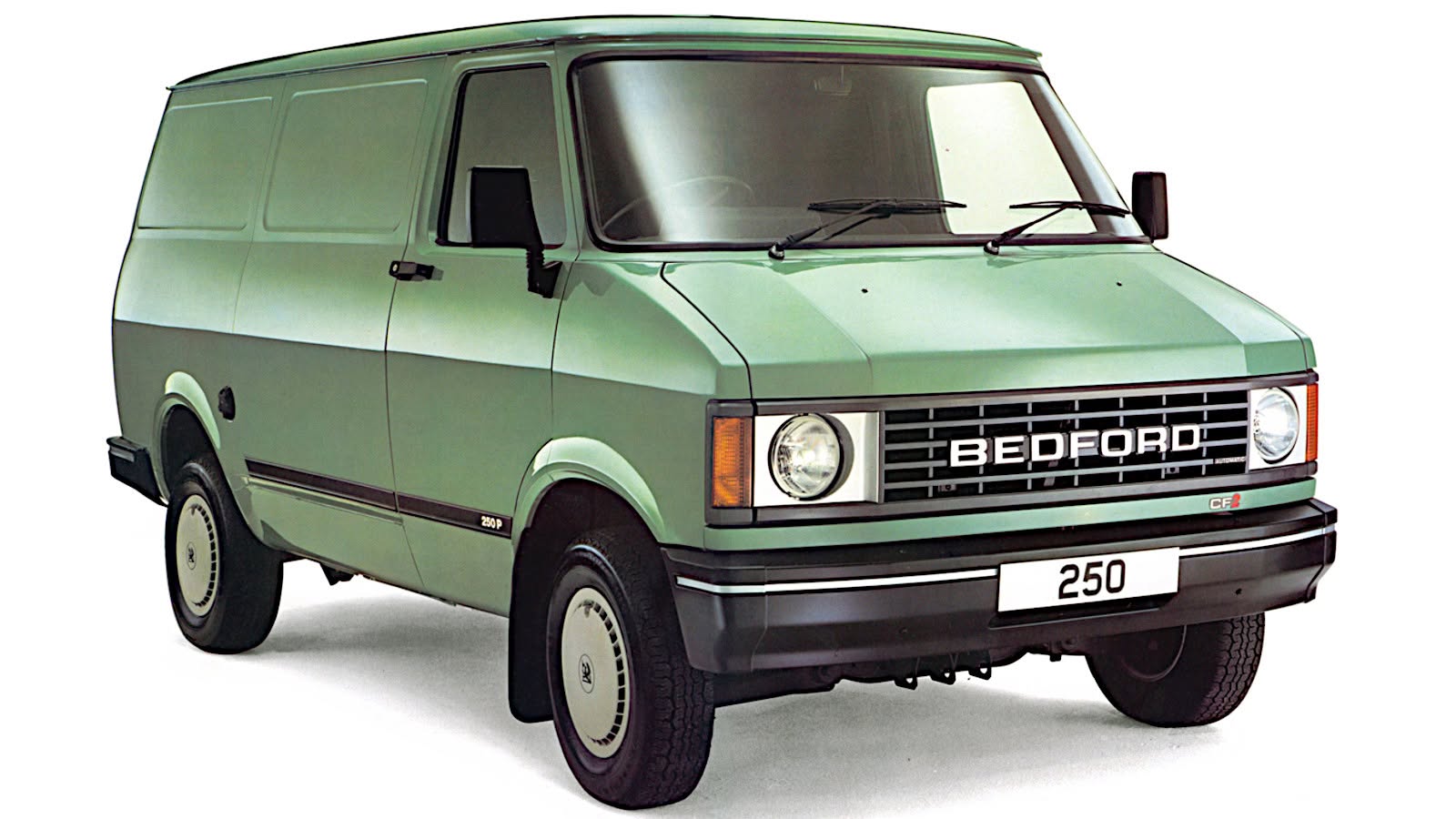
Vauxhall’s electric van story goes back much further than you might expect. In the early 1980s, Bedford developed an electric version of its CF van, with a small number of production vehicles built for fleet and utility operators.
It was an ambitious idea, but battery technology was nowhere near ready. The electric CF was expensive, heavy and limited in range, particularly when loaded or used on demanding routes.
Now, of course, electric vans are finally becoming a realistic option for many operators. The idea itself is not new; the difference is that battery technology, charging infrastructure and business requirements have moved on significantly.
Summary
Vauxhall remains one of the UK’s most familiar van brands, with a clear three-model range covering the small, medium and large van sectors. The Combo, Vivaro and Movano are all available with diesel or electric power, and the brand has a long commercial vehicle history that still carries weight with many buyers.
The important thing for today’s van buyers is to understand what Vauxhall now represents. Modern Vauxhall vans are closely related to Citroën, Fiat, Peugeot and Toyota sister models, while older used examples may come from earlier Renault-linked generations. That makes comparison important, especially if you are looking at price, payload, service support or used van reliability.
For many operators, a Vauxhall van may make good sense because of its dealer network, familiar badge, fleet support and available deals. But it should still be compared carefully against its sister models and direct rivals, because the best van for your business is the one that fits your work, your routes and your support needs – not simply the one with the most familiar badge.
Want to find out more about Vauxhall passenger cars? All our Expert Ratings, new car reviews, news and features are here.
Read more:


You must be logged in to post a comment.